Bed covers, also known as bedspreads or coverlets, provide a lightweight layer that enhances sleep culture and room aesthetics. They contribute to heat management, enabling easier temperature control without heavy bedding. In hotel settings, bed covers support consistent presentation, fabric performance, and easy spot-cleaning while maintaining a neat, inviting appearance.
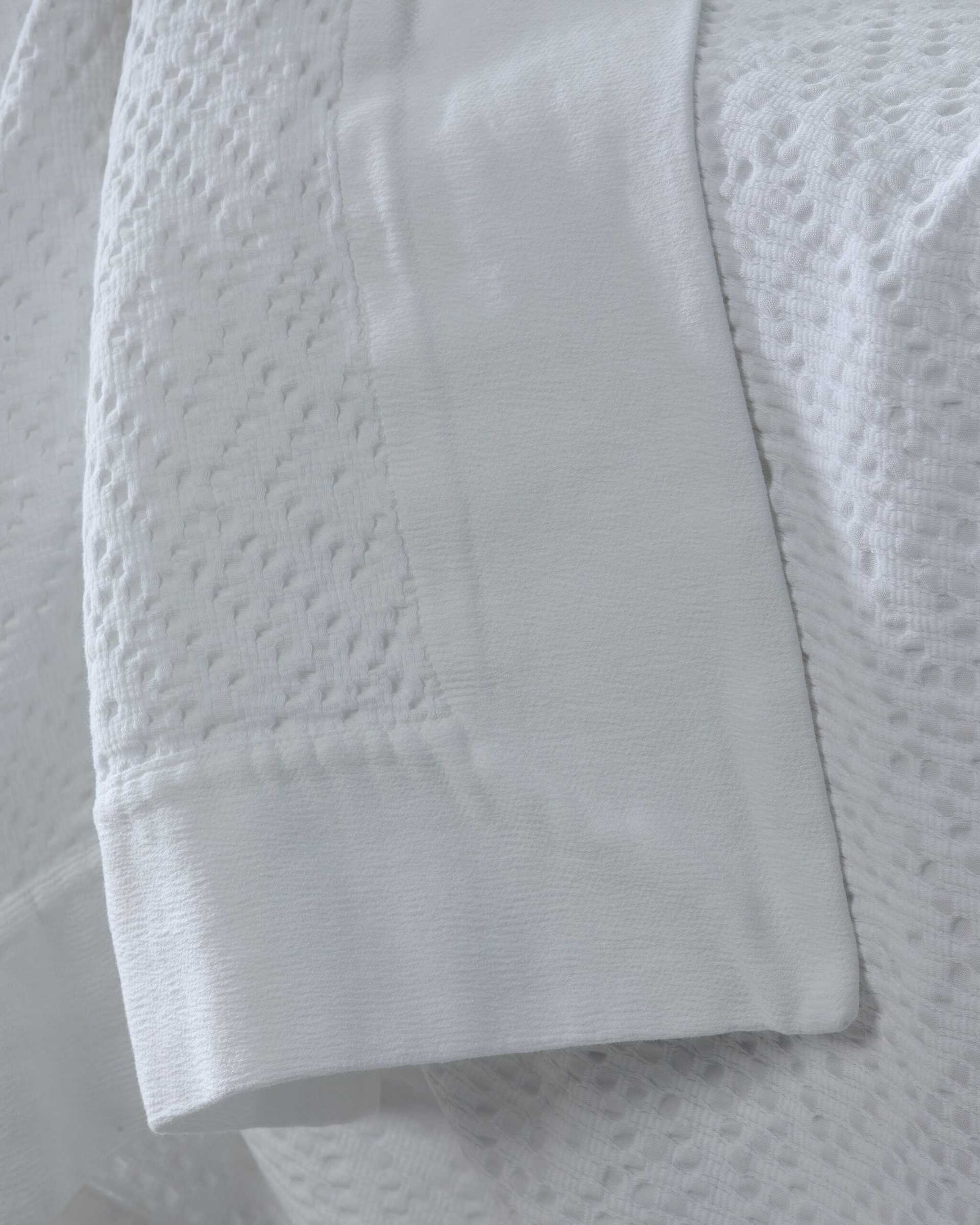
Understanding materials is essential for selecting bed covers. Cotton blends, microfiber, and linen options each offer distinct advantages in softness, durability, and breathability. For hotel environments, durable fabrics resist wear, while maintaining a comfortable touch for guests. The Tex Bedcover line demonstrates how fabric weight and weave influence functionality and care requirements.
The Tex Bedcover collection emphasizes features such as wrinkle resistance, moisture management, and easy maintenance. Functional benefits include reduced ironing needs, quick drying, and compatibility with various comfort levels. These characteristics support consistent room presentation and contribute to efficient housekeeping without sacrificing guest comfort.
In practice, bed covers interact with pillows, sheets, and duvet covers to influence the overall sleep surface. A well-chosen bed cover complements top-of-bed accessories by balancing texture, color, and thermal properties. Key considerations include fabric durability, edge construction, and ease of laundering to maintain a fresh, hygienic appearance over time.
Meta keywords such as bedding, sheets, duvet covers, comforters, and pillows reflect related categories that intersect with bed covers in performance and care. Recognizing these connections helps explain how bed covers integrate into broader sleep-provision systems, contributing to room ambiance, cleanliness standards, and guest comfort with materials chosen for long-term use.
 Bedding