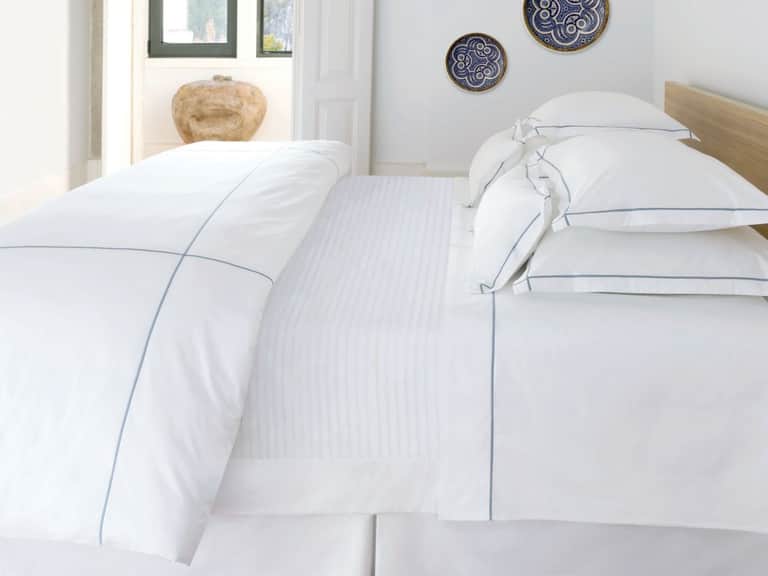
Bovi Classic Hotel Duvet Covers

Procurement Essentials for Hotel Linen Programs: Balancing Durability, Comfort, and Cost

A practical, editorial guide for hotel operators, designers, and procurement professionals seeking to specify and source bed linens. This article weaves material science, hospitality standards, and cost considerations into a coherent framework for achieving guest comfort, operational efficiency, and responsible budgeting.

Overview: Why Linen Procurement Matters in Hospitality

In hotel operations, the linen program sits at the intersection of guest comfort, hygiene, and cost of ownership. The procurement decision is not merely about the initial purchase price; it is about lifecycle performance, laundering compatibility, repair and replacement cycles, and the intangible guest experience that persists long after a sheet is folded at the foot of the bed.

The core fabric options routinely deployed in hospitality include organic cotton percale, cotton sateen, and linen. Each of these families has intrinsic textile characteristics that impact durability, care requirements, and thermal comfort for guests. For example, percale weaves are known for crispness and breathable coolness, which suits warm climates and guests who sleep hot. Sateen finishes tend to deliver a softer hand with a gentle sheen, while linen fibers are celebrated for moisture management and temperature regulation, offering a natural robustness that improves with use.

A procurement framework should clarify standards for fiber content, weave, thread count (or GSM for some materials), closure systems, pocket depth, and mattress compatibility. It should also introduce a total cost of ownership model that accounts for laundering costs, water and energy use, and the cost-to-guest-benefit curve over time.

Key Fabric Options in Hotel Linen Programs

The following categories are representative of hotel linen programs and frequently appear in procurement briefs:

  • Organic Cotton Percale Sheets: A crisp, breathable base offering a matte finish and cool feel. Common advantages include machine washability, colorfastness, and long wear. Consider certifications such as GOTS where organic quality and environmental standards are a priority.
  • Cotton Sateen Sheets: A smoother hand with a subtle sheen that can contribute to guest perception of luxury. Typically heavier in feel, with good drape and resilience to frequent laundering.
  • Organic Linen Sheets: Linen’s natural breathability and moisture management shine in warm climates or for guests who value a cooler sleep surface. Linen softens with wash and wear, and blends well with hotel aesthetics that favor a relaxed, premium atmosphere.
  • Fitted Sheet Pocket Depth and Fit: A crucial operational detail. Modern hotel mattresses vary in depth, so deep pockets (e.g., 14-inch pockets) help prevent sheet loosening and ensure a tidy bed presentation.
  • Closure Details and Hem Finishes: Zippers, buttons, or hidden closures influence wash resilience and guest experience, while hem stitching and edge finishes contribute to durability during repeated laundering cycles.

Procurement Checklist: How to Specify Hotel Bedding

A practical procurement checklist helps ensure that the linen program aligns with the hotel’s operational realities, brand standards, and budgetary constraints.

  • Fiber content and certifications: Verify fiber composition, presence of organic or sustainable certifications (e.g., GOTS for linen or organic cotton), and dye safety considerations.
  • Weave and fabric weight: Decide between percale (crisp, breathable), sateen (soft, smooth), or linen (temperature regulation). Evaluate GSM or thread count targets that balance durability with guest comfort.
  • Finish and care performance: Assess finishes that improve laundering tolerance, crease resistance, and colorfastness in high-usage environments.
  • Durability metrics: Determine expected cycles before replacement, stitch integrity under repeated wash cycles, and resistance to pilling.
  • Closure and pocket details: Specify duvet cover and flat sheet closures, pocket size, and corner ties or anchor points to prevent shifting.
  • Mattress compatibility: Confirm pocket depth and sheet sizing for standard industry mattress dimensions (e.g., 80x90 inches for queen, 76x80 inches for king, etc.).
  • Color and finishing: Define a color palette aligned with brand standards, ensuring colorfastness under repeated washing and chlorine exposure when applicable.
  • Care guidelines: Include washing temperature ranges, recommended detergents, and any prohibitions on fabric softeners or bleach for longevity.
  • Cost of ownership model: Build a model that includes initial purchase, replacement intervals, laundering costs per cycle, and guest-perceived value over time.

Total Cost of Ownership: A Holistic View

The total cost of ownership (TCO) approach recognizes that the upfront price of linens is only a portion of the financial picture. Laundering costs, including water and energy consumption, chemical usage, and labor, accumulate across thousands of bed changes. A durable fabric that resists wear and tear may reduce replacement frequency and guest dissatisfaction, preserving revenue through better guest reviews and higher occupancy rates.

In practice, TCO evaluation involves modeling:

  • Estimated number of wash cycles per year per bed set
  • Detergent and utility costs per cycle based on local utility rates
  • Estimated replacement frequency due to wear, tear, and stains
  • Guest perception impact and potential revenue implications

The procurement decision should balance durability and guest comfort with ongoing operating costs, all while supporting a brand-standard experience that aligns with the property’s positioning.


Time Period: 18th–19th Century Textile Masters

In the craft of textile production, certain figures emerged as pivotal in shaping durable fabrics that later influenced hospitality linens. While linen and cotton have ancient pedigrees, the 18th and 19th centuries saw a transformation in loom technology, finishing techniques, and standardized quality expectations that continue to echo in modern hotel linens.

These early artisans, often operating in European textile centers, laid the groundwork for consistent weave, thread integrity, and fabric finishes that can endure the rigors of frequent laundering—an essential trait for hotel environments.
Time Period: Early 20th Century Hospitality Pioneers

The early 1900s brought mass hospitality concepts into public consciousness, with hotels expanding guest rooms and evolving housekeeping philosophies. Linen quality, thread uniformity, and durable finishes became selling points as hotels sought to offer consistent guest experiences across properties and chains.

This era established expectations for hotel-grade textiles that balanced guest comfort with practical care requirements, influencing modern procurement criteria.

Time Period: Contemporary Design Thinkers

In the present, design-forward hotels integrate textile science with sustainability, lifecycle analysis, and operational efficiency. The focus shifts toward performance fabrics, responsible sourcing, and transparent supply chains—principles that guide modern hotel linen programs and procurement decisions.

The modern era also brings considerations of certifications, traceability, and editorial independence in content that informs stakeholders about the lifecycle of hotel linens.

Influential Figures in Textile History

  • Jane Addams (1860–1935): While not a textiles figure per se, her social reform influence parallels the hospitality sector's shift toward guest welfare and hygiene standards in lodging operations.
  • Luigi Bormioli (1850–1920s): An emblematic craftsman whose family business contributed to durable weave and finish practices, helping shape hotel-grade linens’ long-term performance.
  • Colin Smith (b. 1950s): A contemporary designer who championed sustainable textile sourcing, lifecycle thinking, and ergonomic bed finishing in hospitality settings.

Contemporary Voices and Practitioner Insights

In today’s industry discourse, several voices converge: procurement specialists who optimize cost of ownership, hotel operators who insist on consistent guest experiences, and textile scientists who push for materials that balance performance with environmental responsibility. While the above names carry historical resonance, the most actionable insight comes from practitioners who connect fabric properties to daily housekeeping workflows.

Across time, a shared thread remains: durable, properly cared-for textiles reinforce guest satisfaction, operational efficiency, and brand reputation.

Conclusion: A Strategic Path Forward for Hotel Linen Programs

Procurement of hotel linens is a strategic function that requires balancing material performance, guest comfort, and total operating costs. A clear standardization framework—grounded in fiber content, weave, care compatibility, and lifecycle expectations—transforms linen purchase into a disciplined, value-driven process. By adopting a procurement philosophy that foregrounds durability and efficiency without sacrificing guest experience, hotels can achieve a reliable, sustainable, and economically sound bed linen program.

The discourse around hotel linen procurement is not merely about materials; it is about aligning textile choices with brand promises, guest expectations, and the realities of routine housekeeping. It is a conversation that spans history and contemporary practice, drawing on the wisdom of textile creators of the past and the precision of modern supply chains to deliver a better night’s sleep for guests and a healthier bottom line for operators.

This editorial article references standard hospitality textile practices and examples from contemporary bedding lines. For the purpose of illustration, a representative product is highlighted: Bovi Classic Hotel Duvet Covers, which exemplify the hotel-grade percale standard with a refined finish.

Related Products

Bovi Classic Hotel Duvet Covers

Bovi

Bovi Classic Hotel Duvet Covers

Crisp, breathable percale keeps you cool all night, while 100% cotton feels naturally soft with every wash. A single stitched border and corner cross-stitches add refined hotel-style elegance, handcrafted for lasting quality and effortless everyday luxury.
Luxor Flat Sheet

Sferra

Luxor Flat Sheet

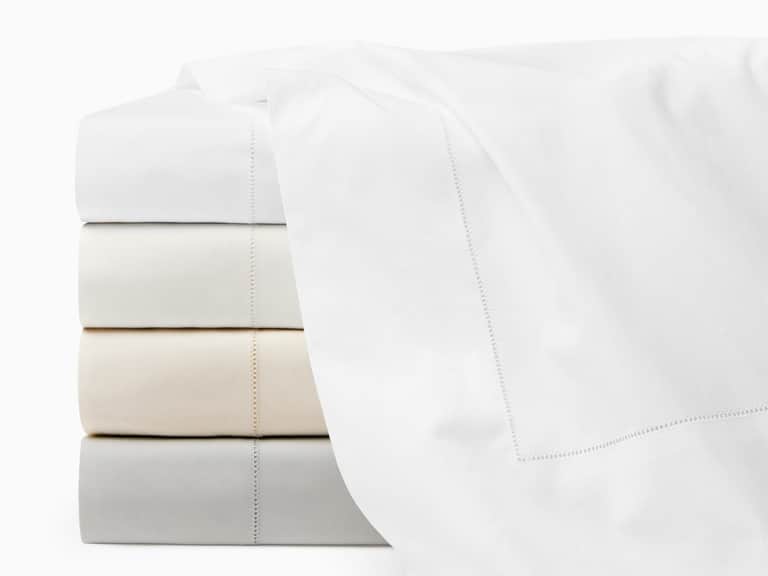
Experience crisp, breathable luxury with Italian-made Luxor percale—100% Egyptian cotton, matte elegance, and a refined hemstitch. Lightweight, durable, easy to care for, it pairs with any bedding for a timeless, comfortable night.
Tex Bedcover

Society Limonta

Tex Bedcover

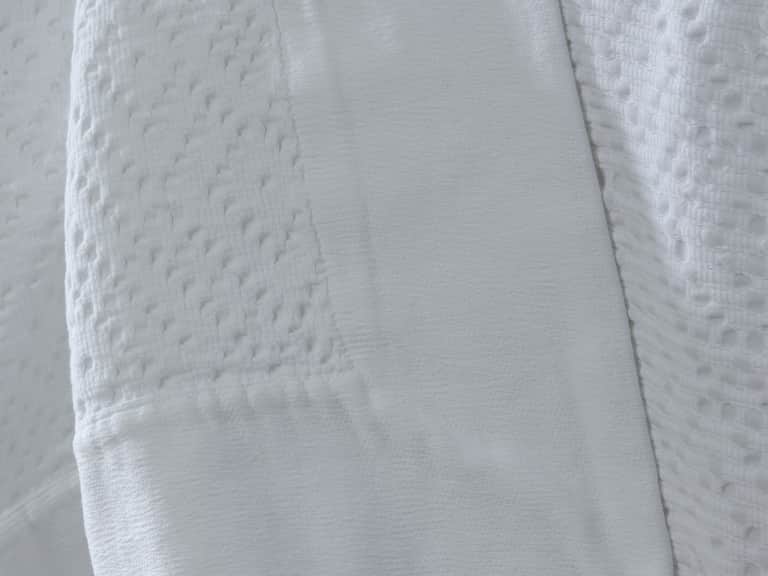
Enjoy cooler, breathable nights with this pure cotton bedcover. Its 3D waffle texture feels plush yet airy, while the loom-woven border adds a clean, durable finish—perfect for relaxed summer bedrooms and a tactile, inviting sleep space.

Theme